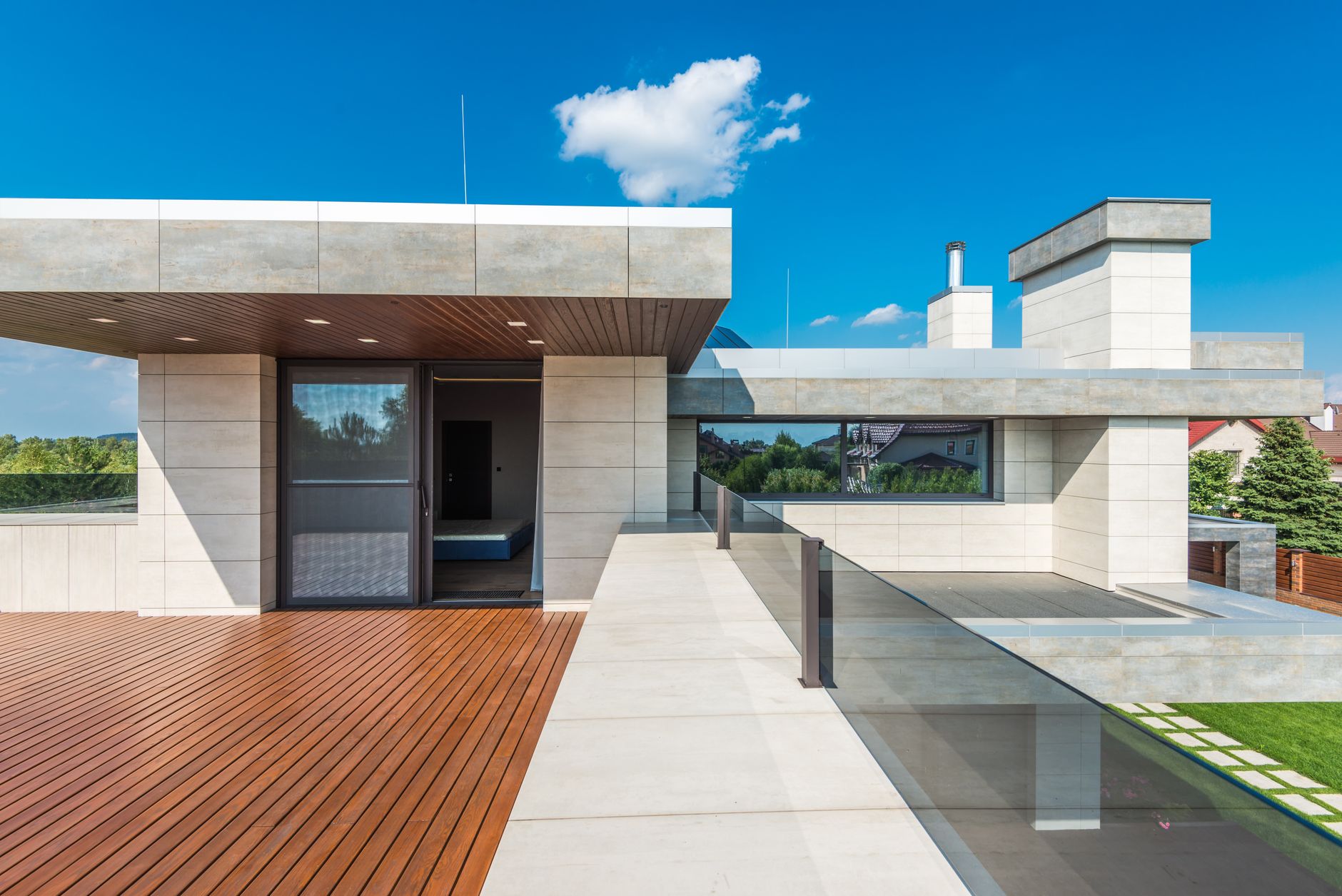
Introduction to Fiber Cement Planks
What are Fiber Cement Planks?
Fiber cement planks are a type of exterior siding made from a composite material consisting primarily of cement, sand, and cellulose fibers. These planks mimic the appearance of traditional wood siding but provide enhanced durability and resistance to many common problems associated with wood and other materials. Their robust construction makes them a preferred choice for homeowners looking to combine long-lasting performance with appealing aesthetics.
History and Popularity in Home Construction
Originally developed in the early 20th century as a fire-resistant building material, fiber cement siding steadily gained traction in residential construction. Advances in manufacturing have improved its texture, weight, and ease of installation, making it a popular alternative to wood, vinyl, and metal sidings. Today, fiber cement planks are widely used across various climates and architectural styles, prized for their balance of strength and design flexibility.
Durability Benefits of Fiber Cement Planks
Resistance to Weather and Moisture
One of the standout characteristics of fiber cement planks is their exceptional resistance to harsh weather conditions. They handle rain, snow, humidity, and temperature fluctuations without warping, swelling, or rotting. Unlike wood, fiber cement does not absorb moisture, reducing the risk of mold and mildew growth. This makes them ideal for homes located in wet or coastal regions where moisture-related damage is a common concern.
Impact and Fire Resistance
Fiber cement planks are highly resistant to physical impact, which helps protect your home from hail, debris, and accidental knocks. Additionally, these planks are non-combustible, offering superior fire resistance compared to wood or vinyl siding. This feature not only enhances safety but may also reduce insurance premiums in some areas prone to wildfires or other fire hazards.
Longevity Compared to Other Materials
When installed and maintained properly, fiber cement planks can last 30 to 50 years or more. This longevity surpasses many other siding options, such as vinyl or wood, which tend to degrade quicker under similar conditions. The durable composition of fiber cement means fewer replacements or repairs over time, contributing to long-term home value and reduced maintenance headaches.
Aesthetic Advantages and Design Flexibility
Variety of Textures and Finishes
Fiber cement planks come in a wide array of textures that replicate natural wood grains, smooth finishes, or even stucco-like surfaces. This variety allows homeowners and designers to choose a look that best suits their vision, whether it’s classic clapboard, rustic barn wood, or sleek modern lines. The realistic textures significantly enhance curb appeal without sacrificing durability.
Color Options and Customization
These planks are available in numerous pre-painted colors and can also be painted or stained after installation. The ability to customize colors means homeowners can match or complement existing exterior elements, experiment with bold hues, or opt for subtle, timeless tones. High-quality paints designed specifically for fiber cement ensure color retention and fade resistance over many years.
Blending with Architectural Styles
Fiber cement planks are versatile enough to blend seamlessly with various architectural styles—from traditional colonial homes to contemporary designs. Their clean lines and natural textures provide a sophisticated backdrop that enhances both classic and modern aesthetics, making them a smart choice for renovations or new construction projects.
Low Maintenance and Cost Efficiency
Ease of Cleaning and Upkeep
Maintaining fiber cement planks is straightforward. Routine cleaning typically involves washing with a garden hose or low-pressure power washer to remove dirt, dust, and mildew. Unlike wood, they do not require frequent sealing or treatment. Periodic repainting every 10 to 15 years helps maintain their protective coating and fresh appearance without significant expense or effort.
Cost Over Time Compared to Wood or Vinyl
Although the initial investment for fiber cement planks tends to be higher than vinyl siding, their durability and low maintenance costs make them more cost-effective in the long run. Wood siding may be less expensive upfront but often incurs higher maintenance, repair, and replacement costs due to susceptibility to rot, pests, and weather damage. Fiber cement offers a balanced solution with fewer unexpected expenses.
Environmental Considerations
Fiber cement materials are composed of natural ingredients and are non-toxic, contributing to environmentally responsible building practices. Additionally, their long lifespan reduces the frequency of replacement and waste generation. Some manufacturers also offer recyclable options and environmentally friendly production processes, catering to eco-conscious homeowners.
Installation Tips and Best Practices
Professional vs. DIY Installation
While fiber cement planks can be installed by skilled DIY enthusiasts, professional installation is often recommended to ensure precision, proper sealing, and adherence to local building codes. Professionals have the tools and experience to handle the material’s weight and cutting requirements safely, preventing damage and ensuring optimal performance.
Common Installation Challenges
Challenges during installation can include managing the weight of the planks, preventing dust inhalation during cutting, and achieving tight, weatherproof joints. It is important to use proper safety equipment, quality fasteners, and follow manufacturer guidelines closely. Improper installation can lead to cracking, water infiltration, or inadequate ventilation, compromising the siding’s durability.
Ensuring Proper Sealing and Ventilation
Proper sealing around windows, doors, and corners is critical to prevent moisture penetration. Using high-quality caulking and flashings protects vulnerable areas. Additionally, allowing for adequate ventilation behind the siding helps regulate moisture and temperature, reducing the risk of mold and extending the life of the installation.
Common Concerns and How to Address Them
Potential for Cracking and How to Prevent It
While fiber cement is strong, it is not immune to cracking, especially if subjected to extreme impact or improper installation. To minimize this risk, use the recommended fasteners, avoid over-tightening, and ensure expansion gaps are left as specified. Regular inspections can catch any developing issues early, allowing for timely repairs.
Handling Moisture and Mold Risks
Though fiber cement resists moisture absorption, improper installation or damage can allow water to seep behind the siding, leading to mold growth. Proper flashing, sealing, and ventilation are essential preventive measures. In damp climates, periodic checks and maintenance are advised to keep the siding and underlying structures dry and healthy.
Warranty and Manufacturer Support
Most fiber cement products come with substantial warranties, often covering 30 years or more. These warranties typically address manufacturing defects and premature deterioration. It’s important to register your product and follow maintenance recommendations to keep the warranty valid. Manufacturer support can provide guidance on repairs, repainting, and product compatibility.
Conclusion
Fiber cement planks offer a powerful combination of durability, style, and low maintenance that makes them an excellent choice for homeowners aiming to enhance both the appearance and longevity of their homes. With resistance to weather, fire, and impact, alongside versatile design options and cost-effective upkeep, fiber cement siding stands out as a smart investment. By understanding proper installation techniques and addressing common concerns proactively, homeowners can enjoy the benefits of fiber cement planks for decades to come.
FAQ
Are fiber cement planks suitable for all climates?
Yes, fiber cement planks are designed to withstand diverse weather conditions, including heavy rain, snow, and high humidity, making them suitable for most climates.
How do fiber cement planks compare to vinyl siding?
Fiber cement planks offer superior durability, fire resistance, and a more natural wood appearance, while vinyl siding is typically less expensive but less resilient.
What maintenance is required for fiber cement planks?
They require minimal maintenance—periodic cleaning and repainting every 10-15 years to maintain appearance and protection.