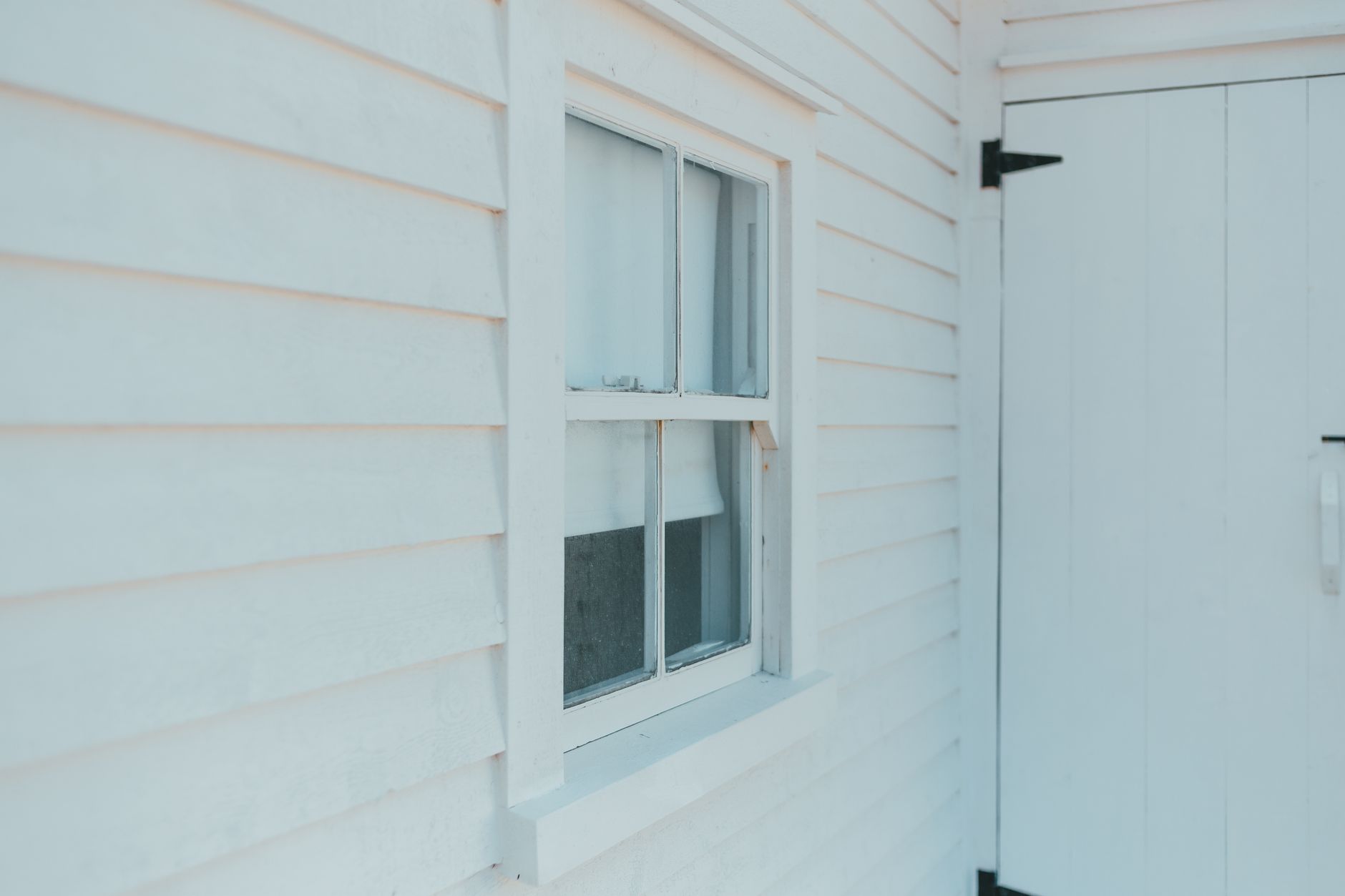
Choosing the Right Siding Material
Comparing Popular Siding Options
Selecting the right siding material sets the foundation for both the appearance and durability of your home. Common choices include vinyl, wood, fiber cement, aluminum, and engineered composites. Vinyl siding is popular due to its affordability and low maintenance, while wood offers a classic, natural aesthetic but requires more upkeep. Fiber cement combines the look of wood with enhanced resistance to fire and pests. Aluminum siding is lightweight and durable, though it can dent easily. Each material caters to different priorities, so understanding their strengths helps you make an informed decision.
Considering Climate and Weather Impact
Your local climate plays a significant role in siding performance. In humid or rainy areas, materials resistant to moisture, like fiber cement or vinyl, help prevent rot and mold growth. For regions with extreme heat or sun exposure, materials that resist fading and warping, such as fiber cement or treated wood, are preferable. Cold climates with heavy snowfall call for siding that withstands freeze-thaw cycles without cracking. Assessing weather patterns ensures your siding choice will hold up over time and maintain its appearance.
Balancing Cost and Longevity
While budget is essential, weighing initial expenses against long-term durability can save money down the road. Vinyl siding tends to be the most cost-effective upfront, but fiber cement, though pricier, offers extended lifespan and less frequent maintenance. Wood siding requires regular painting or staining, adding to ongoing costs. Aluminum sits in the middle but may need repairs for dents or corrosion. Consider not just the installation price but also maintenance, repair, and replacement costs when choosing your siding material.
Preparing Your Home for Siding Installation
Inspecting and Repairing the Exterior
Before new siding goes up, a thorough inspection of your home’s exterior is crucial. Look for damaged sheathing, rotted wood, or any structural issues that could affect siding installation. Addressing these problems ahead of time prevents future complications and ensures a smooth installation process. Removing old siding carefully also helps preserve the underlying layers and allows for accurate repairs.
Ensuring Proper Insulation and Ventilation
Underneath your siding lies an opportunity to boost your home's energy efficiency. Installing or upgrading insulation before siding installation can reduce heating and cooling costs significantly. Proper ventilation behind the siding is equally important to allow moisture to escape, protecting your home from mold and rot. Discuss these considerations with your contractor to incorporate suitable weather barriers and breathable membranes.
Hiring Qualified Professionals
While some homeowners may consider DIY siding projects, partnering with experienced professionals greatly improves outcomes. Skilled installers understand how to handle materials correctly, follow building codes, and apply manufacturer specifications. This expertise minimizes installation errors that could lead to leaks or premature siding failure. Checking references and verifying credentials helps ensure you hire a reliable team.
Siding Installation Best Practices
Following Manufacturer Guidelines
Each siding product comes with specific instructions designed to optimize performance and durability. Adhering strictly to these guidelines is essential, including recommended fastening methods, overlap measurements, and expansion allowances. Proper installation according to manufacturer standards also maintains your warranty coverage, protecting your investment.
Ensuring Proper Sealing and Flashing
Sealing and flashing play critical roles in preventing water infiltration around windows, doors, and corners. Use high-quality flashing materials and sealants to direct moisture away from the siding and the home’s framing. Neglecting these details can lead to hidden water damage, mold growth, and structural issues. Professional installers will pay close attention to these areas to maintain your home’s integrity.
Avoiding Common Installation Mistakes
Common pitfalls include improper nailing that restricts siding movement, insufficient gaps for expansion, and neglecting to check for level alignment. These errors can cause warping, buckling, or gaps that compromise protection. Regularly inspecting the work during installation ensures these mistakes are caught and corrected promptly, resulting in a long-lasting siding system.
Maintenance Tips to Extend Siding Life
Routine Cleaning and Inspection
Keeping your siding clean not only enhances curb appeal but also extends its lifespan. Regularly wash siding with a mild detergent and soft brush or pressure washer on a gentle setting to remove dirt, pollen, and debris. Combine cleaning with biannual inspections to identify early signs of damage, such as cracks, fading, or loose panels, allowing for timely repairs.
Addressing Damage Promptly
Small issues can quickly escalate if left unattended. Repair cracks, dents, or holes as soon as they appear to prevent water intrusion and pest entry. Repainting or resealing wood siding every few years preserves its protective barrier. Prompt attention to damage ensures your siding continues to shield your home effectively.
Protecting Against Mold and Pests
Mold growth and pest infestations often stem from moisture trapped behind siding. Ensure gutters and downspouts direct water away from your home, and trim vegetation that touches the siding to improve airflow. If you notice signs of mold or pest activity, clean affected areas with appropriate treatments and consult professionals if infestations persist.
Enhancing Curb Appeal with Siding
Choosing Complementary Colors and Styles
The color and style of your siding significantly influence your home’s visual impact. Select hues that complement your roof, trim, and neighborhood aesthetic. Neutral colors offer timeless appeal, while bold shades can make a striking statement. Popular styles include clapboard, shingles, and panels—each contributing a different texture and character to your façade.
Incorporating Trim and Accents
Adding decorative trim, shutters, or contrasting siding patterns creates depth and interest. Accents around windows, doors, and corners highlight architectural features and elevate your home’s design. Choose materials and colors that harmonize with your main siding for a cohesive, polished look.
Coordinating with Landscaping and Lighting
Well-planned landscaping and exterior lighting work hand-in-hand with siding to boost curb appeal. Planting shrubs and flowers near your home softens edges and adds color, while strategically placed lighting highlights your siding’s texture and color after dark. Together, these elements create a welcoming and visually appealing entrance.
When and How to Replace Your Siding
Signs It's Time for Replacement
Recognizing when siding needs replacement helps avoid costly damage. Common indicators include widespread cracking, warping, fading, persistent mold, or water damage beneath the siding. If repairs become frequent and expensive, or if your siding is outdated and detracts from your home’s appearance, replacement might be the best option.
Selecting Durable and Stylish Upgrades
When replacing siding, consider materials that offer both longevity and an updated look. Fiber cement and high-quality vinyl provide durability with modern finishes. Engineered wood or composite materials can mimic natural textures while requiring less maintenance. Choose options that align with your climate, budget, and design preferences to maximize value.
Budgeting and Planning the Project
Replacing siding is a significant investment that requires careful budgeting. Factor in material costs, labor, disposal of old siding, and any necessary repairs or insulation upgrades. Planning the project during favorable weather seasons reduces delays. Obtaining multiple quotes and verifying contractor credentials helps ensure the project stays on schedule and within budget.
Conclusion
Investing time and effort into selecting, installing, and maintaining your home’s siding pays off with improved curb appeal, enhanced protection, and long-term savings. By understanding the options available and following expert practices, you can confidently choose siding that complements your home’s style and withstands the elements. Regular upkeep and timely upgrades keep your exterior looking fresh and secure, making your home a source of pride for years to come.
FAQ
How often should I inspect my home siding?
It's best to inspect your siding at least twice a year, preferably in spring and fall, to catch any damage or wear early.
Can I install siding myself or should I hire a pro?
While DIY siding is possible for some materials, hiring a professional ensures proper installation and helps avoid costly mistakes.
What siding material is best for durability?
Fiber cement and vinyl siding are known for their durability and low maintenance, but the best choice depends on your climate and budget.
How can I prevent mold and mildew on my siding?
Regular cleaning, proper ventilation, and prompt repairs of cracks or gaps help prevent moisture buildup that leads to mold and mildew.