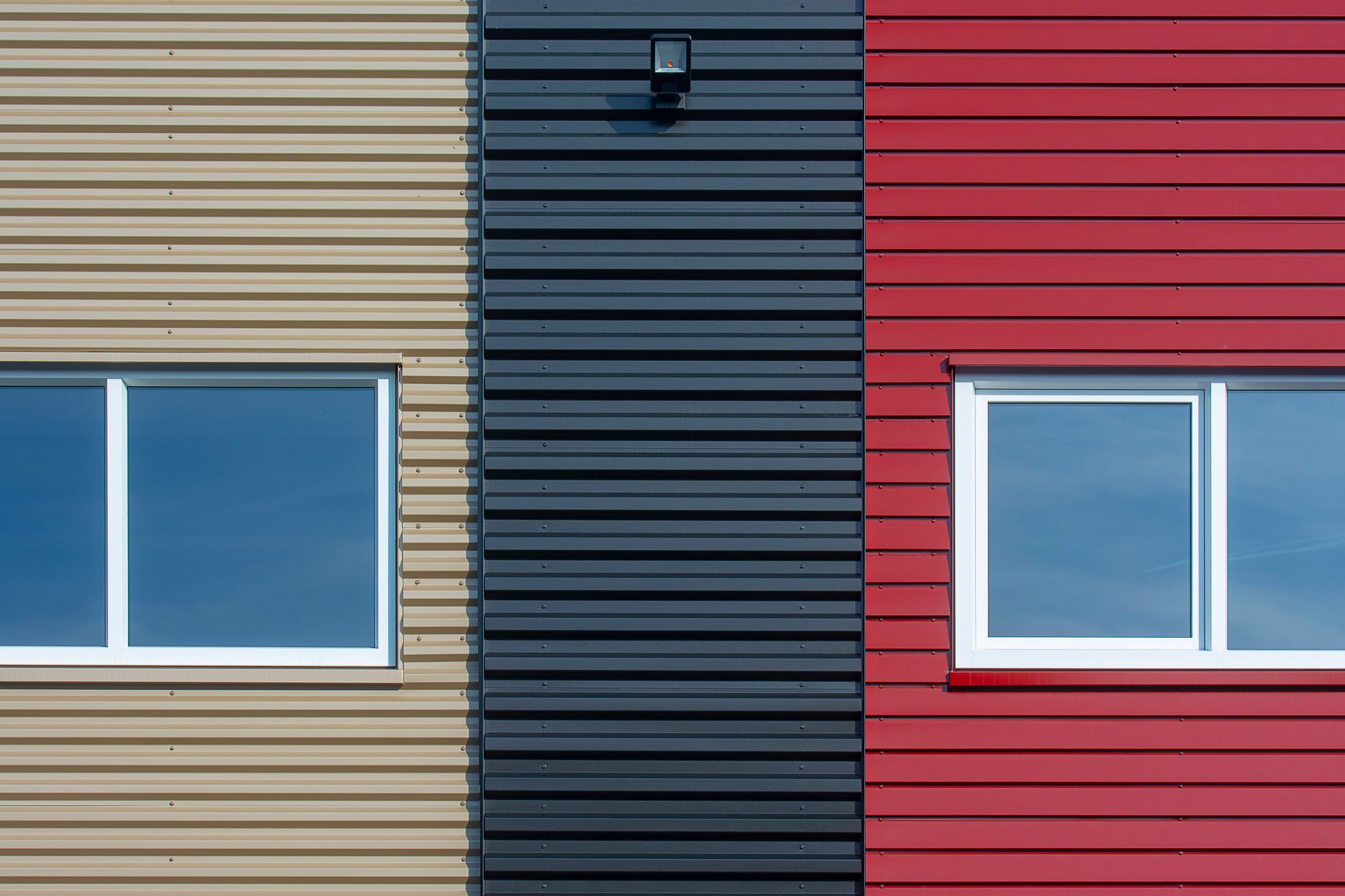
Introduction to Modern Lap Siding
What is Modern Lap Siding?
Modern lap siding is a popular exterior cladding technique where long, horizontal boards overlap each other to create a clean, streamlined look. This style has evolved from traditional wood siding to include a variety of advanced materials designed for enhanced performance and aesthetics. The overlapping design not only provides a classic, timeless appearance but also offers practical benefits such as improved weather resistance.
Why Choose Lap Siding for Your Home?
Choosing lap siding for your home offers a blend of versatility, durability, and curb appeal. Its horizontal lines emphasize the architectural features of a house, giving it character and charm. Additionally, lap siding materials have been engineered to meet modern demands, making them easier to maintain and more resilient against environmental factors. Whether you’re updating an older home or building new, lap siding can complement a wide range of styles from traditional to contemporary.
Key Benefits of Modern Lap Siding
Enhanced Curb Appeal and Aesthetics
One of the primary draws of modern lap siding is its striking visual appeal. The clean, horizontal lines create a sense of width and stability, enhancing the overall façade of your home. With a variety of textures, profiles, and colors available, homeowners can customize the look to match their personal style. This adaptability helps lap siding remain a top choice for those wanting a fresh yet classic exterior.
Improved Durability and Weather Resistance
Modern lap siding materials are designed to stand up against harsh weather conditions. Unlike traditional wood, many options resist moisture, rot, and insect damage. The overlapping installation technique also helps to shed water effectively, reducing the likelihood of leaks and structural issues. This durability extends the lifespan of your home’s exterior and minimizes costly repairs.
Energy Efficiency Advantages
Some modern lap siding materials come with insulating properties or can be installed over insulation layers, improving your home's energy efficiency. This helps regulate indoor temperatures, reducing heating and cooling costs. Energy-efficient siding contributes not only to lower utility bills but also to a more sustainable living environment.
Popular Materials Used in Modern Lap Siding
Fiber Cement: Strength and Style
Fiber cement siding combines cement, sand, and cellulose fibers to create a robust and fire-resistant material. It mimics the look of natural wood while providing superior durability. Fiber cement can withstand wind, rain, and even pests, making it ideal for diverse climates. Its ability to hold paint well also offers endless design possibilities.
Engineered Wood: Natural Look with Longevity
Engineered wood siding blends wood fibers with resins, providing the warmth of natural wood along with enhanced stability and resistance to decay. Compared to traditional wood, it resists warping and cracking better, making it suitable for homeowners who appreciate authentic wood aesthetics but want added durability.
Vinyl Lap Siding: Cost-Effective and Low Maintenance
Vinyl lap siding is a budget-friendly option known for its low maintenance needs. It resists fading, chipping, and cracking, and doesn’t require painting. Its lightweight nature simplifies installation, and modern vinyl options come in a wide range of colors and textures to mimic wood or other materials.
Styling Options and Design Trends
Color Choices and Finishes
The palette for lap siding has expanded far beyond traditional whites and grays. Today, homeowners can choose from bold hues, soft pastels, or natural earth tones. Finishes range from smooth and sleek to rustic and textured, allowing you to tailor the siding’s appearance to your home's style and surroundings.
Texture and Profile Variations
Lap siding profiles vary from narrow, crisp lines to wider, rustic boards. Some feature beveled edges or a shiplap design that creates subtle shadow lines, adding depth and dimension to a façade. These variations can dramatically alter the character of your home, from modern minimalist to cozy cottage charm.
Combining Lap Siding with Other Exterior Elements
Mixing lap siding with other materials like stone, brick, or metal accents is a growing trend. This combination creates visual interest and highlights architectural details. For example, pairing lap siding with stone veneer around entryways or on lower walls can add texture and sophistication, while metal trims can introduce a contemporary edge.
Installation and Maintenance Tips
Professional vs. DIY Installation
While some homeowners may opt for DIY installation to save costs, professional installation is often recommended for lap siding. Experienced contractors ensure proper alignment, secure fastening, and effective weatherproofing. This reduces the risk of future problems such as water intrusion or board warping, ultimately protecting your investment.
Routine Cleaning and Upkeep
Maintaining lap siding typically involves periodic cleaning to remove dirt, mildew, and debris. A gentle power wash or scrubbing with a soft brush and mild detergent usually suffices. For fiber cement and engineered wood, repainting or resealing every decade or so helps preserve appearance and durability. Vinyl siding generally requires less frequent attention but benefits from occasional washing.
Signs You Need Repairs or Replacement
Keep an eye out for cracking, warping, or peeling paint, which can indicate moisture damage or aging materials. Loose or missing boards should be addressed promptly to avoid further deterioration. If you notice persistent mold, significant discoloration, or structural issues, it might be time to consider partial repairs or full siding replacement.
Cost Considerations and Long-Term Value
Budgeting for Materials and Labor
The cost of modern lap siding varies depending on the material chosen. Vinyl is typically the most affordable, while fiber cement and engineered wood fall into mid to higher price ranges. Labor costs can also vary widely based on your region and the complexity of the installation. It’s important to get multiple quotes and factor in both materials and skilled labor for an accurate budget.
Return on Investment through Increased Home Value
Investing in quality lap siding can significantly boost your home's resale value and curb appeal. Prospective buyers often see new or well-maintained siding as a major selling point, translating to quicker sales and higher offers. Choosing durable, attractive materials maximizes this return on investment.
Maintenance Costs Over Time
While some siding options have higher upfront costs, they may incur lower maintenance expenses over time. For example, fiber cement requires occasional repainting but offers longevity, whereas vinyl siding requires less upkeep but can be more prone to damage in extreme weather. Considering these long-term costs can help you select the best option for both your budget and lifestyle.
Conclusion
Modern lap siding remains a favored choice for homeowners seeking a blend of classic style and contemporary durability. With an array of materials, colors, and textures, it offers endless customization to enhance your home's exterior. By understanding the benefits, materials, and maintenance requirements, you can make an informed decision that adds lasting beauty and value to your property.
Frequently Asked Questions
Is modern lap siding suitable for all climate types?
Yes, modern lap siding materials like fiber cement and engineered wood are designed to withstand various climates, offering durability against moisture, heat, and cold.
How often does lap siding require maintenance?
Maintenance frequency depends on the material; vinyl siding may need occasional washing, while fiber cement requires periodic inspection and repainting every 10-15 years.
Can I install modern lap siding myself?
While some homeowners with experience can install lap siding, professional installation ensures proper fitting, weatherproofing, and longevity, reducing future repair costs.