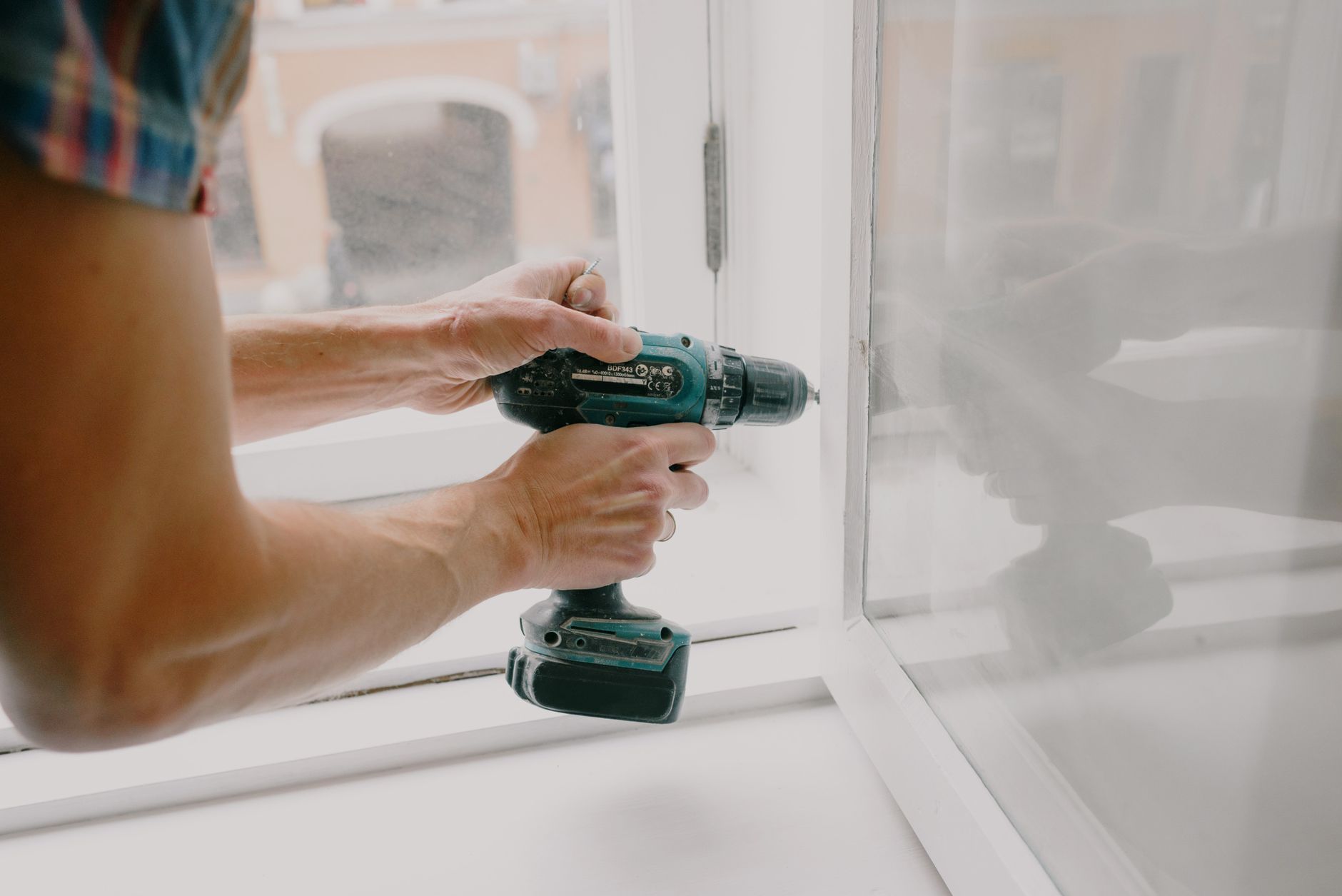
Introduction to Precision Siding Installation
What is Precision Siding Installation?
Precision siding installation is a meticulous approach to fitting exterior siding on homes, emphasizing exact measurements, careful alignment, and thorough sealing. Unlike more casual installation methods, it ensures that each siding panel is placed with a focus on uniformity and tightness, minimizing gaps and weaknesses. This attention to detail helps create a seamless protective barrier around your home.
Why Accuracy Matters in Siding Work
Accuracy during siding installation is crucial because even small mistakes can lead to significant problems over time. Misaligned panels or improperly sealed edges can allow moisture, pests, and wind to penetrate the home’s exterior. This not only compromises the siding’s appearance but also threatens the building’s structural integrity. Precision reduces these risks by providing a durable, weather-tight exterior.
How Precision Siding Installation Improves Home Durability
Enhanced Weather Resistance
Homes are constantly exposed to harsh weather conditions—rain, snow, wind, and sun. Precision siding installation creates a tight, continuous exterior layer that better resists these elements. Properly aligned and sealed siding prevents wind-driven rain from slipping behind panels and causing damage. This enhanced protection helps maintain the home’s interior comfort and prevents energy loss.
Prevention of Water Damage and Mold
Water infiltration is one of the leading causes of siding failure and interior damage. Even small gaps can allow moisture to seep behind siding, leading to rot, mold growth, and decay in underlying materials. With precision installation, every joint and edge is sealed accurately, dramatically reducing the chance of water penetration. This proactive step preserves the home’s structural components and indoor air quality.
Increased Structural Integrity
When siding is installed precisely, it not only protects but also reinforces the building’s exterior. Proper fastening and alignment distribute stress evenly across the siding panels, reducing the risk of warping, buckling, or detachment during storms or temperature fluctuations. This strengthens the home’s overall envelope and extends the lifespan of both siding and underlying structure.
Materials and Techniques That Support Precision Installation
Choosing Quality Siding Materials
The foundation of precision installation starts with selecting siding materials that are uniform, durable, and easy to work with. High-quality vinyl, fiber cement, engineered wood, or metal siding products provide consistent dimensions and superior resistance to weathering. These materials respond better when installed accurately, maintaining their look and protective qualities longer.
Tools and Technology for Accurate Installation
Modern siding installers rely on advanced tools to achieve precision. Laser levels, digital measuring devices, and specialized fasteners help ensure panels are aligned perfectly and attached securely. These technologies reduce human error and speed up the installation process without compromising quality.
Expert Installation Methods
Skilled contractors follow step-by-step procedures designed to maximize precision. This includes preparing walls properly, installing moisture barriers, carefully aligning starter strips, and double-checking measurements before fastening each panel. They also account for expansion gaps and manufacturer recommendations to avoid future problems.
Common Mistakes in Siding Installation and How Precision Avoids Them
Improper Alignment and Gaps
One of the most frequent errors in siding installation is uneven placement, which can create visible gaps and weak points. Precision installation uses exact measuring and leveling techniques to ensure every panel fits snugly. This prevents aesthetic issues and blocks entry points for moisture and pests.
Insufficient Sealing and Fastening
Failing to seal joints properly or using inadequate fasteners compromises siding’s protective function. Precision installation involves applying high-quality sealants at critical points and using correct fasteners that allow for siding expansion while holding panels firmly. This balance keeps siding secure yet flexible enough to endure temperature changes.
Ignoring Manufacturer Guidelines
Manufacturers provide detailed instructions for installation to optimize siding performance and warranty coverage. Overlooking these guidelines can lead to premature siding failure. Precision installers strictly adhere to these specifications, ensuring that siding performs as intended and that homeowners benefit from full warranty protection.
Maintenance Tips to Complement Precision Siding Installation
Regular Inspections and Cleaning
Even with precision installation, routine maintenance is vital to prolong siding life. Inspect your siding at least twice a year and after severe weather for cracks, loose panels, or damaged seals. Clean siding with appropriate solutions to remove dirt, mildew, and debris that can degrade materials.
Timely Repairs to Prevent Damage
Address minor issues immediately to avoid escalating damage. Fixing small cracks or resealing joints prevents water intrusion and structural problems. Early repairs save money and keep siding looking its best.
Protective Treatments and Coatings
Applying protective finishes or repainting certain siding types can enhance weather resistance and UV protection. Consult with siding professionals to select coatings that complement your siding material and installation type for maximum durability.
Choosing the Right Contractor for Precision Siding Installation
Questions to Ask Potential Installers
When hiring a contractor, ask about their experience with precision siding installation specifically. Inquire about their process for ensuring alignment, sealing, and adherence to manufacturer guidelines. Request details on the tools and materials they use to guarantee quality.
Evaluating Experience and References
Look for contractors with a proven track record and positive customer reviews. Ask for references from recent siding projects to verify their workmanship and professionalism. Experienced installers are more likely to deliver precise, long-lasting results.
Ensuring Warranty and Service Guarantees
A reputable contractor will provide warranties on both labor and materials. Confirm that the installer’s guarantees align with the siding manufacturer’s warranty and inquire about service policies for future repairs or maintenance. This ensures peace of mind and protection for your investment.
Conclusion
Precision siding installation is more than just a construction detail—it’s a vital factor in safeguarding your home against weather, moisture, and structural wear. By choosing quality materials, skilled installers, and maintaining your siding properly, you enhance your home’s durability, curb appeal, and value. Investing in precision installation today pays dividends in long-term protection and peace of mind.
Frequently Asked Questions
What makes precision siding installation different from standard installation?
Precision siding installation focuses on exact measurements, alignment, and sealing that prevent gaps and weaknesses, ensuring better protection and longer-lasting siding compared to standard methods.
How does precision siding installation protect against weather damage?
By ensuring siding panels are tightly fitted and properly sealed, precision installation prevents water infiltration and wind damage, which helps maintain the home's structural integrity.
Can precision siding installation save money in the long run?
Yes, because it reduces the risk of costly repairs due to water damage, mold, and siding failure, precision installation enhances durability and lowers maintenance expenses over time.