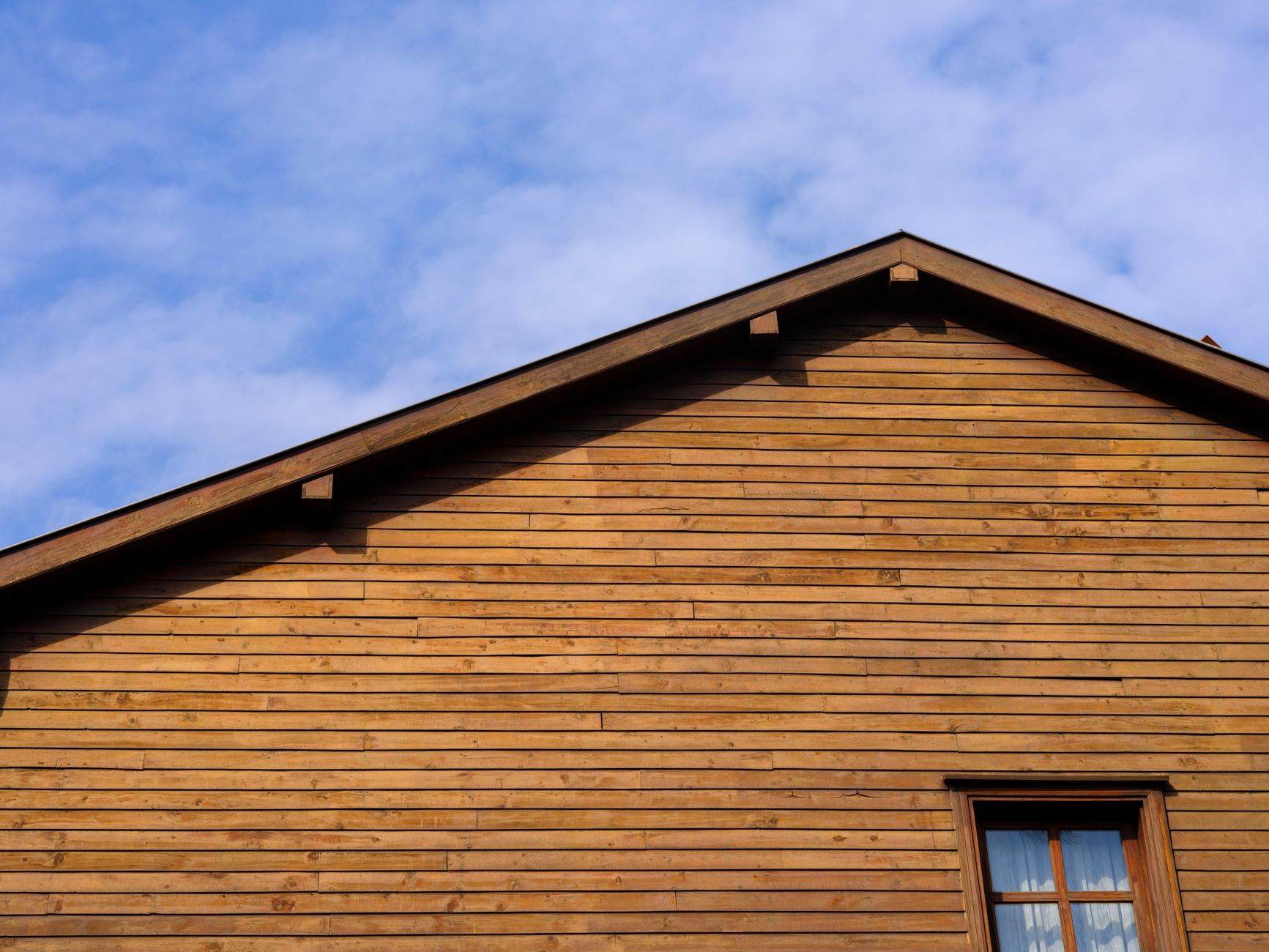
Introduction to Horizontal House Siding
What is Horizontal House Siding?
Horizontal house siding refers to exterior cladding installed in overlapping horizontal strips, creating a layered look that channels water away from the structure. This style has been a popular choice among homeowners for decades due to its classic appearance and practical functionality. The siding boards can vary in width, thickness, and material, but the horizontal orientation remains a defining characteristic.
Benefits of Horizontal Siding
Choosing horizontal siding offers several advantages. Its design naturally sheds rainwater, reducing the risk of moisture infiltration and damage. This siding style can also visually elongate the home, making it appear wider and more grounded. Additionally, horizontal siding is generally easier and faster to install compared to other patterns, such as vertical or shingles, often translating to lower labor costs. It also pairs well with a variety of architectural styles, from traditional to modern.
Popular Materials for Horizontal House Siding
Vinyl Siding: Affordable and Low Maintenance
Vinyl siding stands out as one of the most budget-friendly options for horizontal house siding. It requires minimal upkeep, as it does not need painting and can be cleaned easily with water and mild detergent. Vinyl is resistant to rot, insects, and fading, making it ideal for homeowners seeking durability without high maintenance. However, it can sometimes crack in extreme temperatures and may lack the natural texture found in other materials.
Wood Siding: Classic and Natural Appeal
Wood siding brings warmth and timeless beauty to any home. Available in varieties such as cedar, pine, and redwood, it offers authentic grain texture and can be painted or stained to suit personal tastes. Although wood requires more attention—regular sealing, painting, and protection against moisture and pests—it can significantly enhance curb appeal and increase property value. Proper maintenance is key to preserving its longevity and aesthetic qualities.
Fiber Cement Siding: Durable and Fire-Resistant
Fiber cement siding combines cement, sand, and cellulose fibers into a sturdy material that mimics wood's appearance while offering superior durability. It resists rot, insects, and fire, making it a smart choice for homes in harsh climates or fire-prone areas. This siding requires less frequent painting than wood and maintains its structural integrity over time. Installation is more complex and may require professional expertise due to the material's weight and cutting requirements.
Engineered Wood: Modern Alternative with Texture
Engineered wood siding is crafted from wood fibers and resins, offering a cost-effective alternative to natural wood with enhanced resistance to moisture and pests. It replicates the texture and look of traditional wood while providing improved dimensional stability. Engineered wood is easier to install than fiber cement and often comes pre-primed for painting. It still requires regular maintenance, especially in exposed environments, but balances aesthetics and durability effectively.
Metal Siding: Sleek and Long-Lasting
Metal siding, commonly made from aluminum or steel, delivers a contemporary, sleek look and exceptional longevity. It is highly resistant to fire, rot, and insects, and can withstand severe weather conditions. Additionally, metal siding is low maintenance and often recyclable, making it an environmentally friendly choice. While it can dent from impact and may be noisier during rain, proper installation and quality finishes help mitigate these issues.
Factors to Consider When Choosing Horizontal Siding
Climate and Weather Resistance
Your local climate plays a crucial role in siding selection. For humid or rainy regions, materials resistant to moisture and mold—such as fiber cement or vinyl—are preferable. In fire-prone zones, fire-resistant options like fiber cement or metal siding enhance safety. Extremely cold or hot climates require siding that can handle temperature fluctuations without cracking or warping. Selecting materials suited to your environment ensures longevity and reduces maintenance challenges.
Aesthetic Style and Color Options
Horizontal siding comes in a vast array of colors, textures, and profiles, allowing you to tailor your home’s exterior to your style preferences. Consider whether you want a smooth or textured finish, wide or narrow boards, and traditional or modern tones. Some materials, like vinyl, offer extensive factory color options that resist fading, while wood siding can be customized with stains and paints. The siding you choose should complement your home’s architecture and neighborhood character.
Budget and Installation Costs
Cost is a significant factor when choosing siding. Vinyl typically offers the lowest upfront cost and installation expense, while fiber cement and metal tend to be higher priced but provide longer-term durability. Wood and engineered wood fall somewhere in between but will incur ongoing maintenance costs. Installation complexity also affects price—heavier or more fragile materials often require skilled labor, increasing costs. Balancing initial investment with expected lifespan and upkeep will help you make a financially sound decision.
Energy Efficiency and Insulation
Some siding materials contribute to a home's energy efficiency by providing insulation or allowing the addition of insulating layers beneath. For example, insulated vinyl siding can improve thermal performance, reducing heating and cooling costs. Fiber cement and wood siding alone offer minimal insulation but can be combined with exterior insulation systems. When prioritizing energy savings, consider siding options compatible with insulation upgrades and consult with contractors for the best solutions.
Maintenance Tips to Extend the Life of Your Siding
Regular Cleaning and Inspection
Routine cleaning removes dirt, debris, and mildew that can deteriorate siding over time. Use a soft brush or pressure washer on a gentle setting to clean surfaces annually or as needed. During cleaning, inspect siding for signs of damage such as cracks, warping, or loose panels. Early detection allows you to address issues before they escalate, preserving both appearance and structural integrity.
Repairing Minor Damages Promptly
Small cracks, holes, or loose boards should be repaired quickly to prevent moisture intrusion and pest infestation. Use appropriate filler materials or replace damaged sections depending on the siding type. For vinyl, patch kits are available, while wood may require sanding and repainting. Timely repairs extend the lifespan of your siding and avoid costly replacements.
Repainting and Sealing Wood Siding
Wood siding demands periodic repainting or sealing to protect against moisture and UV damage. Typically, this should be done every 3-7 years depending on exposure and paint quality. Before repainting, remove old paint flakes and apply a primer if necessary. Sealing helps maintain wood’s natural beauty and prevents warping or rot, ensuring your siding remains visually appealing and structurally sound.
Preventing Mold, Mildew, and Pest Damage
To reduce mold and mildew growth, maintain proper drainage around your home and keep gutters clean. Trim back vegetation that touches siding to improve airflow and sunlight exposure. For pest prevention, seal gaps and cracks where insects or rodents might enter. Regular inspections and prompt treatment of any infestations protect your siding and underlying structure from damage.
Common Installation Mistakes to Avoid
Poor Ventilation and Moisture Issues
Failing to provide adequate ventilation behind siding can trap moisture, leading to rot, mold, and structural damage. Installing a weather-resistant barrier and ensuring proper airflow are critical steps. Avoid tightly sealing siding against sheathing without gaps or vents, as this can create a moisture trap.
Incorrect Fastening Techniques
Using wrong nails or fasteners, or fastening siding too tightly, can cause warping, buckling, or cracking. Follow manufacturer guidelines for fastener type, size, and spacing. Allowing for expansion and contraction is essential, especially with vinyl and wood siding, to maintain siding integrity.
Ignoring Manufacturer Guidelines
Each siding material comes with specific installation instructions designed to optimize performance and warranty coverage. Ignoring these can lead to premature failure and void warranties. Always review and adhere to manufacturer recommendations regarding preparation, fastening, and finishing.
Overlooking Proper Surface Preparation
Installing siding over uneven or damaged surfaces compromises adhesion and appearance. Ensure the wall surface is clean, flat, and structurally sound before installation. Repair any damage and install appropriate sheathing or weather barriers to create a solid foundation for siding.
Enhancing Curb Appeal with Horizontal Siding
Combining Siding with Trim and Accents
Adding trim around windows, doors, and corners can create visual interest and highlight architectural details. Materials like wood or composite trims complement horizontal siding and provide contrast in texture and color. Decorative accents like shutters or molding can further enhance the home’s charm.
Choosing Complementary Colors
Select colors that harmonize with your roof, landscaping, and neighborhood while expressing your personal style. Neutral siding with bold trim or vibrant siding with muted accents can both work beautifully. Consider color psychology and how light affects appearance throughout the day when making your choice.
Incorporating Lighting and Landscaping
Exterior lighting can highlight the texture and color of horizontal siding after dark, adding depth and warmth. Thoughtful landscaping frames the home and softens hard edges, making the siding stand out. Combining these elements creates a welcoming façade that boosts curb appeal and enjoyment.
Conclusion
Choosing the right horizontal house siding involves balancing style, durability, maintenance, and budget considerations. From affordable vinyl to elegant wood and resilient fiber cement, each material offers unique benefits tailored to different needs and environments. Proper installation and ongoing care further enhance your siding’s performance and curb appeal. By understanding your options and maintenance requirements, you can make an informed decision that protects and beautifies your home for years to come.
Frequently Asked Questions
How often should horizontal house siding be cleaned?
Generally, horizontal house siding should be cleaned at least once a year to remove dirt, mildew, and debris, helping to maintain its appearance and prevent damage.
Is vinyl siding better than wood siding?
Vinyl siding is more affordable and requires less maintenance, while wood siding offers a natural, classic look but needs regular upkeep like painting and sealing.
Can I install horizontal siding myself?
While DIY installation is possible for those with experience, improper installation can lead to moisture problems, so hiring a professional is often recommended for the best results.