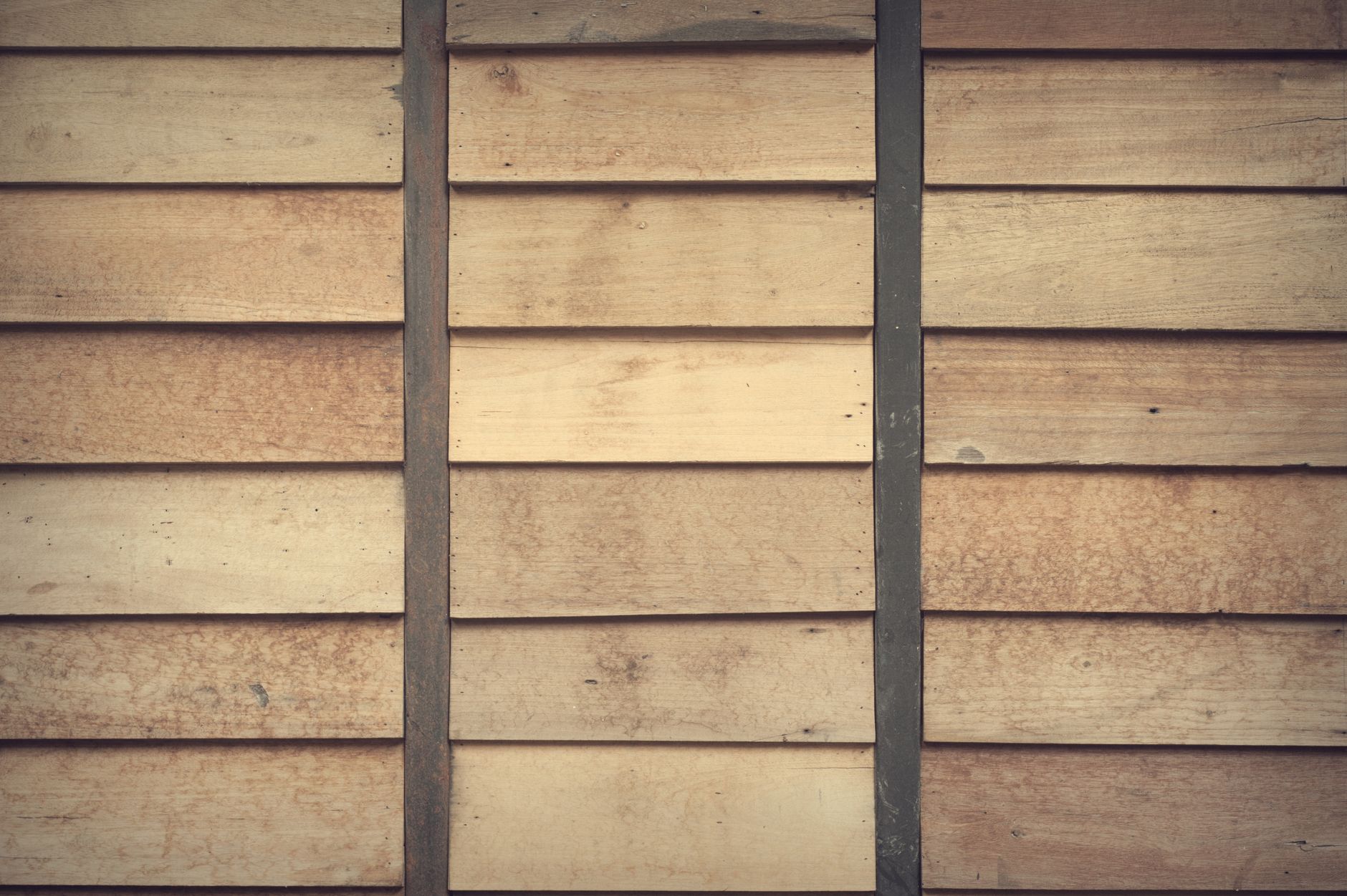
Introduction to Engineered Wood Cladding
What is Engineered Wood Cladding?
Engineered wood cladding is a modern exterior finish made from wood fibers, veneers, or strands that are bonded together using adhesives and advanced manufacturing techniques. Unlike traditional solid wood, this composite material is designed to offer enhanced strength, stability, and resistance to environmental factors. It combines the natural beauty of wood with improved durability, making it an increasingly popular choice for contemporary home exteriors.
Why Choose Engineered Wood Over Natural Wood?
Natural wood has long been favored for its warmth and aesthetic appeal, but it comes with drawbacks such as susceptibility to moisture, warping, and insect damage. Engineered wood cladding addresses many of these issues by offering consistent quality and enhanced performance. It resists cracking, splitting, and shrinking better than traditional wood, and often includes treatments that improve fire resistance and weather-proofing. For homeowners seeking a balance between beauty and resilience, engineered wood offers a compelling alternative that stands up well to the demands of modern living.
Durability and Weather Resistance
How Engineered Wood Withstands Harsh Weather
One of the main advantages of engineered wood cladding is its enhanced ability to withstand harsh weather conditions. The manufacturing process involves bonding wood fibers with waterproof adhesives, which significantly reduces the risk of water absorption and swelling. Additionally, many engineered wood products come with protective coatings that shield the surface from UV rays, moisture, and fungal growth. This makes engineered wood cladding an excellent choice for regions prone to heavy rain, snow, or intense sunlight, as it maintains its structural integrity and appearance over time.
Maintenance Tips to Extend Lifespan
Although engineered wood cladding is designed for durability, proper maintenance is essential to maximize its lifespan. Regular inspections for cracks, chips, or signs of wear can help identify issues early. Cleaning the cladding with mild soap and water removes dirt and prevents mold buildup. Applying a fresh coat of protective sealant every few years, as recommended by the manufacturer, helps preserve the finish and prevents moisture penetration. Avoiding direct contact with soil or standing water also reduces the risk of damage. By following these simple steps, homeowners can ensure their engineered wood cladding remains attractive and resilient for decades.
Design Flexibility and Aesthetic Appeal
Variety of Finishes and Textures
Engineered wood cladding offers a wide range of finishes and textures to suit diverse design preferences. From smooth, sleek surfaces to rustic, rough-hewn looks, the options are extensive. Manufacturers can replicate the appearance of different wood species, such as cedar, oak, or walnut, providing an authentic natural look without the inconsistencies of solid timber. Additionally, the cladding is available in various colors and stains, including pre-finished options that save time during installation. This versatility allows homeowners to achieve exactly the exterior aesthetic they envision.
Customizing Cladding to Match Architectural Styles
Whether your home embraces minimalist modernism, classic traditionalism, or bold contemporary lines, engineered wood cladding can be tailored to complement the architecture. Narrow or wide boards, horizontal or vertical installation, and mixed textures can create dynamic visual interest. The material’s adaptability makes it suitable for accent walls, full facades, or integrated design features such as soffits and eaves. This flexibility empowers architects and homeowners to enhance curb appeal while maintaining a cohesive style.
Sustainability and Environmental Benefits
Eco-friendly Manufacturing Processes
Engineered wood cladding is often produced using sustainable practices that minimize environmental impact. Because it utilizes wood fibers and veneers that might otherwise be wasted, it maximizes resource efficiency. Many manufacturers source timber from responsibly managed forests certified by organizations like FSC (Forest Stewardship Council). Additionally, the adhesives and finishes used today are increasingly low in volatile organic compounds (VOCs), promoting healthier indoor and outdoor environments. This commitment to sustainability makes engineered wood a conscientious choice for eco-minded homeowners.
Impact on Home Energy Efficiency
Beyond its green credentials, engineered wood cladding can contribute to improved home energy efficiency. Its insulating properties help regulate indoor temperatures by reducing heat transfer through exterior walls. This can lead to lower heating and cooling costs throughout the year. When combined with other energy-efficient building materials and proper installation techniques, engineered wood cladding supports a more comfortable and environmentally responsible home.
Installation and Cost Considerations
Professional vs. DIY Installation
Installing engineered wood cladding can be a manageable project for experienced DIYers, especially with pre-finished panels and clear manufacturer guidelines. However, professional installation is often recommended to ensure proper fitting, alignment, and sealing, which are critical for maximizing performance and durability. Professionals also have expertise in handling moisture barriers, flashings, and ventilation systems that protect the cladding and the underlying structure. While hiring a contractor may increase upfront costs, it often results in a longer-lasting, trouble-free exterior.
Cost Comparison with Other Cladding Materials
When compared to traditional solid wood, engineered wood cladding usually offers better value due to its longevity and reduced maintenance needs. It tends to be more affordable than high-end natural timber species while delivering a similarly attractive finish. Against other popular cladding options like vinyl, fiber cement, or metal, engineered wood falls in the mid-price range. While it may require more care than vinyl, it provides superior aesthetics and a more natural look. Homeowners should consider lifecycle costs, including installation, upkeep, and replacement, when choosing the best cladding material.
Common Challenges and How to Overcome Them
Potential Issues with Engineered Wood Cladding
Although engineered wood cladding has many benefits, certain challenges may arise. Improper installation can lead to water infiltration, causing swelling or rot in the substrate. Exposure to prolonged moisture without adequate ventilation might encourage mold growth. Some lower-quality products may degrade faster under intense UV exposure or harsh climates. Additionally, damage from impacts or pests, though less common than with natural wood, can still occur. Awareness of these potential pitfalls helps homeowners take preventive measures.
Best Practices for Longevity and Performance
To ensure engineered wood cladding performs well over time, it is vital to follow manufacturer instructions and industry best practices. This includes installing proper flashing and moisture barriers, allowing for adequate air circulation behind the cladding, and using compatible fasteners and sealants. Routine inspections and timely repairs prevent minor issues from escalating. Selecting high-quality products from reputable suppliers also reduces risks. With careful attention to detail, engineered wood cladding can provide a stunning and durable exterior finish for many years.
Conclusion
Engineered wood cladding seamlessly combines the natural appeal of wood with enhanced durability, design versatility, and environmental benefits. Its ability to withstand diverse weather conditions, coupled with a broad range of finishes and styles, makes it an excellent choice for modern home exteriors. While installation and maintenance require some care, the long-term advantages in aesthetics, performance, and sustainability are significant. For homeowners looking to elevate their property’s façade with a trustworthy and attractive material, engineered wood cladding offers a smart and stylish solution.
FAQ
Is engineered wood cladding suitable for all climates?
Yes, engineered wood cladding is designed to be durable and weather-resistant, making it suitable for a wide range of climates when properly installed and maintained.
How does engineered wood cladding compare to traditional wood in terms of maintenance?
Engineered wood cladding typically requires less maintenance than traditional wood because it is treated to resist moisture, warping, and pests, reducing the need for frequent sealing or painting.