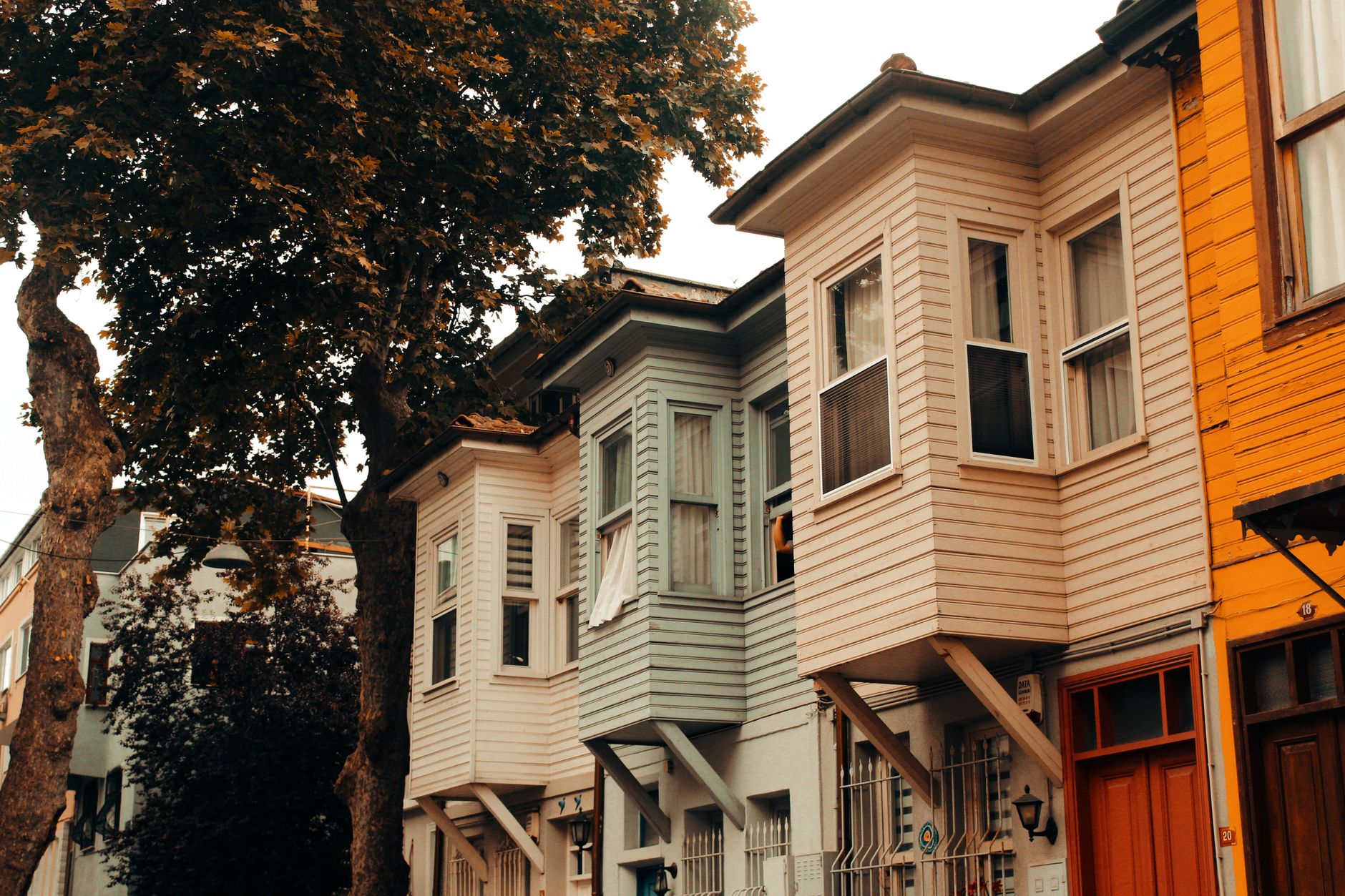
Understanding the Importance of Home Siding Exterior
The exterior siding of your home is more than just a decorative element—it serves as the first impression visitors and potential buyers will have. Choosing the right home siding exterior can significantly boost your property’s curb appeal and overall market value. Beyond aesthetics, quality siding acts as a shield against harsh weather, pests, and environmental wear, preserving the structural integrity of your home for years to come.
Why siding impacts curb appeal and home value
When it comes to curb appeal, siding plays a pivotal role. A fresh, well-maintained exterior immediately elevates the appearance of your home, making it stand out in the neighborhood. This visual appeal can translate into higher resale value, as buyers are often willing to pay a premium for homes with modern, attractive, and durable siding. The right siding choice can also set the tone for your home’s style, whether classic, rustic, or contemporary.
Protective benefits of quality siding
Beyond looks, siding is a crucial layer of protection. It shields your home from rain, wind, UV rays, and temperature fluctuations, preventing moisture penetration and mold growth. Quality siding also helps guard against insect damage and reduces the likelihood of costly repairs. Investing in durable siding materials means your home remains structurally sound and energy-efficient over time.
Popular Types of Home Siding Materials
Vinyl siding: affordability and versatility
Vinyl siding is one of the most popular choices due to its budget-friendly price, ease of installation, and wide range of color and style options. It resists fading, cracking, and pests, making it a low-maintenance solution suitable for many homeowners. Vinyl is especially appealing for those seeking a modern look without breaking the bank.
Fiber cement siding: durability and style
Fiber cement siding blends durability with aesthetic flexibility. Made from a mixture of cement, sand, and cellulose fibers, it withstands harsh weather and resists fire, insects, and rot. Its ability to mimic wood, stucco, or masonry textures provides homeowners with a high-end appearance paired with long-lasting performance.
Wood siding: natural beauty and maintenance
Wood siding offers timeless elegance and warmth, creating a natural charm that’s hard to replicate. Popular types include cedar and redwood, prized for their grain and color. However, wood requires regular upkeep such as painting or staining to protect against moisture and pests. For those willing to invest in maintenance, wood siding can yield a stunning, classic look.
Metal siding: modern look and strength
Metal siding, commonly aluminum or steel, provides a sleek, contemporary aesthetic along with impressive durability. It is fire-resistant, lightweight, and often recyclable, making it an eco-friendly choice. Metal siding is ideal for those seeking a minimalist or industrial style and can hold up well in extreme weather conditions.
Brick and stone siding: timeless appeal
Brick and stone siding are synonymous with permanence and luxury. These materials offer excellent insulation and require minimal maintenance once installed. Their natural textures and colors lend a sophisticated, classic feel to any home. Although the upfront cost is higher, brick and stone siding can greatly enhance property value and curb appeal.
Factors to Consider When Selecting Siding
Climate and weather resistance
Your local climate plays a major role in siding selection. Homes in humid or rainy areas benefit from moisture-resistant materials like fiber cement or vinyl. In regions prone to wildfires, non-combustible siding such as metal or fiber cement offers added safety. Understanding how siding materials perform in your environment ensures longevity and prevents costly damage.
Maintenance requirements
Some siding options demand more upkeep than others. Wood siding, while beautiful, requires periodic sealing and painting. Vinyl and fiber cement are relatively low-maintenance, needing only occasional cleaning. Assessing the time and effort you’re willing to invest in maintenance will help you choose a siding that fits your lifestyle.
Budget and long-term costs
Initial installation cost is an important factor, but so are long-term expenses. Vinyl siding is generally affordable upfront, but may not last as long as fiber cement or brick. Investing in durable materials can reduce repair and replacement costs over time. Always factor in installation, maintenance, and potential energy savings when calculating your budget.
Energy efficiency and insulation
Modern siding can contribute significantly to your home’s energy efficiency. Materials that incorporate insulation or are installed over insulated sheathing help regulate indoor temperatures, lowering heating and cooling costs. For maximum benefit, pair your siding choice with proper insulation and sealing techniques.
Design Tips to Enhance Your Home’s Exterior Appeal
Choosing colors and textures that complement your home
Color selection affects the overall mood and style of your home. Light colors can make small homes appear larger, while bold hues add character to traditional designs. Consider the neighborhood aesthetic and your home’s architectural details when choosing colors. Textures, like the grain of wood or the roughness of stone, add depth and interest to your siding.
Combining siding materials for visual interest
Mixing different siding materials—such as pairing stone accents with fiber cement panels—can create a dynamic, layered look. This approach highlights architectural features and breaks up large exterior surfaces. When combining materials, maintain a cohesive color palette to ensure a harmonious appearance.
Incorporating architectural styles
Your siding choice should complement the architectural style of your home. For example, board-and-batten wood siding suits farmhouse designs, while smooth, horizontal fiber cement panels work well with modern homes. Matching siding style to architecture ensures a balanced and authentic curb appeal.
Installation and Maintenance Best Practices
Hiring professional installers vs. DIY
While some siding types are suitable for DIY projects, professional installation often guarantees a better finish and longer-lasting results. Experts understand local building codes, flashing techniques, and moisture barriers that are crucial for siding performance. For complex materials like brick or fiber cement, hiring professionals is highly recommended.
Routine maintenance to extend siding life
Regularly inspecting your siding for cracks, loose panels, or mold can prevent minor issues from becoming major problems. Cleaning siding annually removes dirt and mildew, preserving appearance and function. For wood siding, timely repainting or sealing is essential to protect against weather damage.
Common issues and how to address them
Common siding problems include fading, warping, cracking, and insect damage. Addressing these early through repairs or touch-ups can extend siding life. For vinyl, replacing individual panels is often straightforward. For wood or fiber cement, professional evaluation may be necessary to ensure structural integrity.
Sustainability and Eco-Friendly Siding Options
Environmentally responsible materials
Eco-conscious homeowners can opt for siding made from sustainable resources, such as reclaimed wood or recycled metal. Fiber cement siding also contains natural materials and offers durability that reduces waste over time. Choosing non-toxic paints and finishes further enhances environmental benefits.
Recycling and disposal considerations
When replacing siding, proper disposal or recycling minimizes landfill impact. Metal siding is highly recyclable, while vinyl can sometimes be recycled through specialized programs. Selecting materials with a lower environmental footprint during installation supports sustainable building practices.
Energy-saving siding solutions
Insulated siding options improve thermal performance and reduce energy consumption. Some manufacturers offer siding products with integrated insulation layers or reflective coatings that help keep homes cooler in summer and warmer in winter. Investing in energy-efficient siding contributes to lower utility bills and a reduced carbon footprint.
Conclusion
Choosing the right home siding exterior involves balancing aesthetics, durability, maintenance, and environmental considerations. By understanding the benefits and drawbacks of different materials, assessing your climate and budget, and incorporating thoughtful design, you can enhance your home’s curb appeal and protect your investment for years to come. Prioritizing quality installation and regular upkeep ensures your siding remains a source of pride and comfort.
FAQ
How often should I replace my home siding exterior?
Most siding materials last between 20 to 50 years depending on the type and maintenance; regular inspections help determine when replacement is needed.
Which siding material offers the best balance of cost and durability?
Fiber cement siding often provides a strong balance of affordability, durability, and low maintenance compared to other options.
Can I install new siding over existing siding?
In some cases, siding can be installed over existing layers, but it depends on local building codes and the condition of the current siding.
How does siding affect my home’s energy efficiency?
Siding with proper insulation can reduce heat loss and lower energy bills by improving your home's thermal performance.